Is Your Air Fryer Spying on You? The Ups and Downs of IoT
- ddmdtian001
- Mar 16, 2025
- 3 min read
In today's era of the Internet of Things (IoT), our gadgets talk to each other, making life more convenient, efficient and a little bit sci-fi. Imagine this:
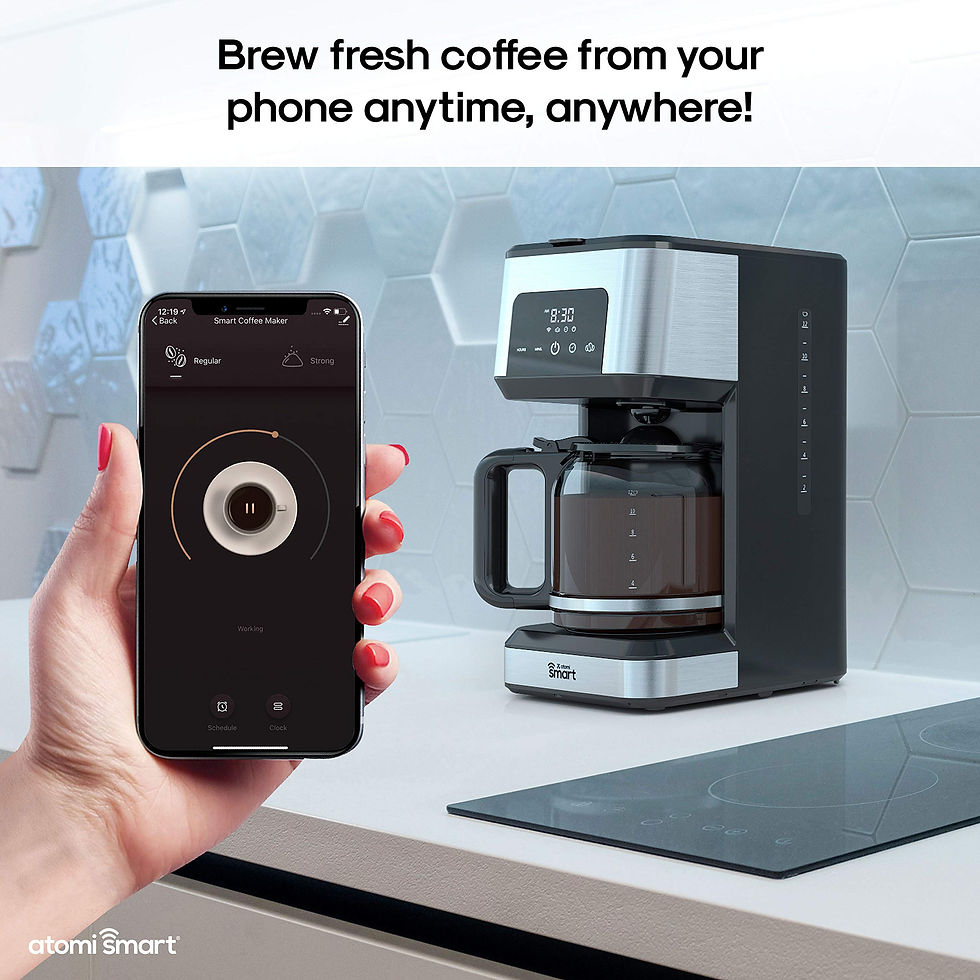
You wake up in the morning to a perfectly cool room thanks to your smart thermostat, and your smart coffee machine already knows what you want - a double shot espresso because of the late night you just had. After making your coffee, your fridge reminds you to get some more milk and adds a reminder to your phone. This sounds like a perfect lifestyle, but what's the catch?
As much as IoT devices make life easier, they bring about serious downsides like privacy risks, security vulnerabilities and an immense amount of tracking. So let's weigh the pros and cons of the IoT, and see what it means for the future.
The Good: IoT is Making Our Lives Incredibly Convenient
IoT is beginning to change the way we live, work and shop. Some of the biggest pros are:
Smart Homes That Actually Feel Smart
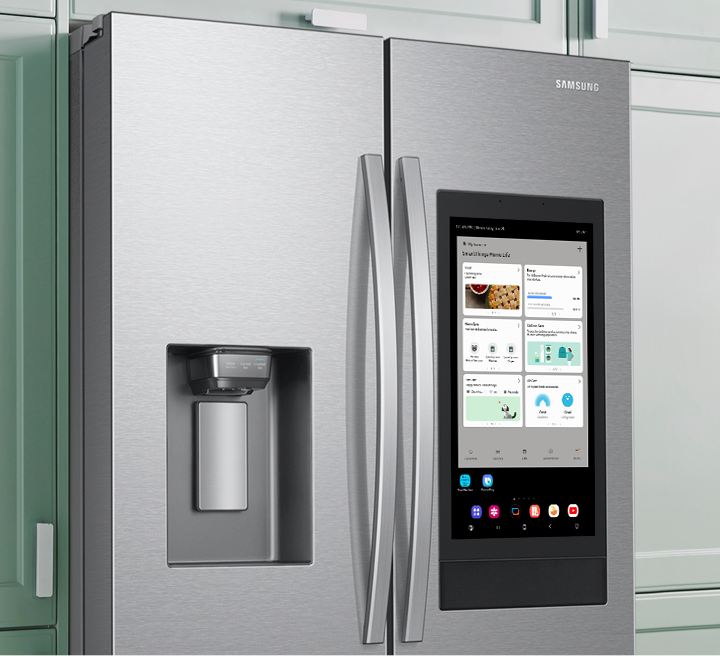
The days of guessing if you left the lights on, or whether you locked the front door behind you are long gone. With smart home automation, your entire house can be controlled from just your phone. Kitchen appliances are getting smarter, and AI-powered ovens can even recognise your food and suggest the best cooking programs while fridges can tell you what you have inside and recommend recipes based on that!
Businesses Are More Efficient Than Ever
in industries like healthcare, logistics and manufacturing, IoT is a game-changer. Doctors use IoT-connected wearables to monitor patients in real time, warehouses use smart sensors to track inventory without human intervention and factories use predictive maintenance to fix machines before they break down. This means faster processes, less waste and smoother operations all around.
The Bad: Is IoT Watching Your Every Move?
While all the above sounds great, there's another side to this connectivity and it's looking dark - privacy.
Your Devices Know a Lot About You
While you may already know that your phone tracks your location, you may not know that your smart speaker listens in and your appliances might be eavesdropping too. A recent investigation found that smart air fryers and kitchen appliances come loaded with trackers that collect user data and even transmit said data overseas. I, for one, would like to keep my midnight snacking habits a secret from my air fryer.
Security Risks Are a Huge Issue
Many IoT devices lack strong security measures which makes them an easy target for hackers. In 2024 alone, there were multiple cases of IoT devices being hacked, including security cameras and baby monitors.
While it is bad to lose just one device, the scarier part is that once a hacker gains access to one weak device, they can potentially breach and entire home network. This means your smart air fryer could be the weak link that lets someone hack into your entire home!
The Future of IoT
Thinking about the future of IoT brings me much hope and excitement as well as a feeling of uneasiness. On one hand, I love the idea of a seamlessly automated house where my tech anticipates my needs before I even ask. On the other hand, I can't imagine my vacuum cleaner giving my floor plan to interior designers to push ads my way.
As the IoT continuously evolves, we need to strike a balance between enjoying the convenience it brings and pushing for better security and data protection laws.
Will we end up in a tech utopia where everything is perfectly automated, or a dystopian nightmare where even our coffee machines spy on us?
For now, I think I'll be turning off my smart speaker when I'm not using it!

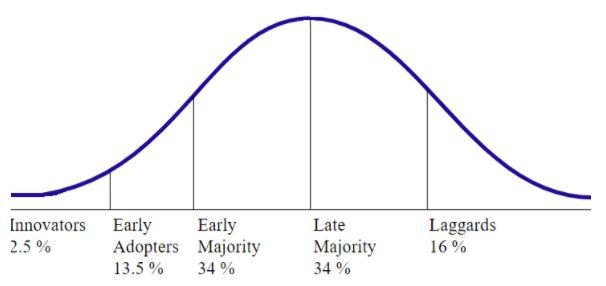
Hi Damien, I definitely agree waith your take that Iot devices raises valid concerns about the privacy and security risks, highlighting the trade-off between convenience and data vulnerability. IoT devices continuously collect and transmit data, making them susceptible to cyber threats if not properly secured (Gubbi et al., 2013). Furthermore, the lack of standardized security protocols exacerbates these risks (Weber, 2015). However, implementing strong encryption and user awareness can mitigate these challenges. As IoT adoption grows, manufacturers must prioritize data protection to maintain consumer trust (Gandomi & Haider, 2015).
Hi Damien! This was such a fun read! The title instantly grabbed my attention, and I love how you balanced the benefits and risks of IoT in everyday life. Do you think people are aware of how much data their smart devices collect? Would love to hear your take!